


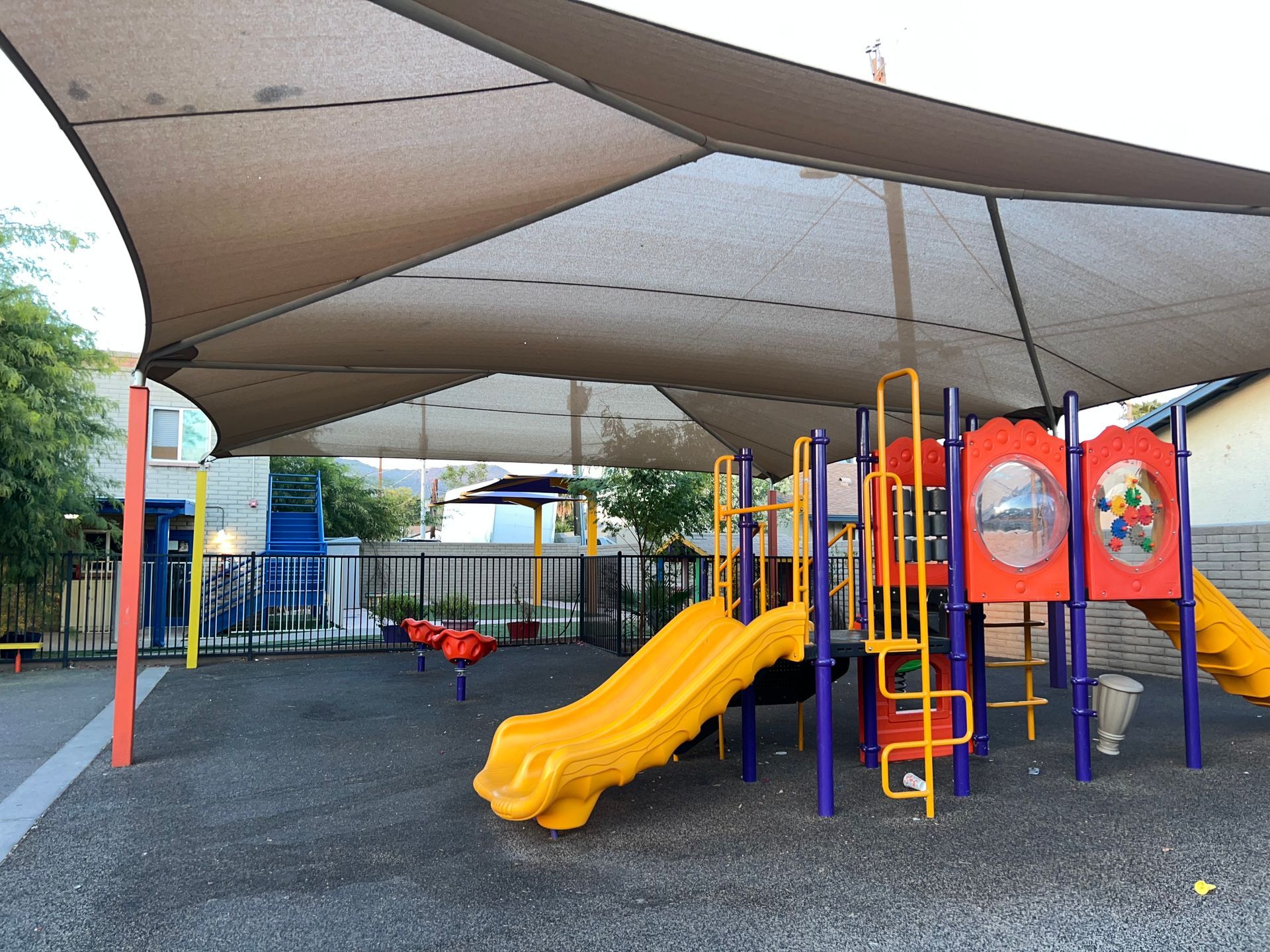
Three lost jobs.Three children depend on her.One caregiver is doing everything she could to keep her family together. Heather has spent much of her life caring for others.As a single aunt raising three children, she understood that caregiving meant more than providing food, clothing, and a place to sleep. It meant showing up, making sacrifices, and being there when the children needed her most. She had already raised a child who is now 24 years old and doing well. She knew the responsibilities of raising a family. But nothing could have fully prepared her for the challenges ahead. All three children in Heather's care were born with prenatal substance exposure. Her youngest experienced the most significant effects, living with multiple disabilities that made everyday routines, including attending school, especially challenging. For Heather, providing for her family meant balancing two responsibilities that often conflicted: being present for her children and maintaining steady employment. Eventually, that balance became impossible. Heather wanted to work. She needed to work. But her youngest child required a level of care and attention that traditional childcare settings struggled to accommodate. At daycare, he would sometimes become so overwhelmed that he put himself at risk of serious injury. When these incidents occurred, Heather received the call for every caregiver dread. She needed to leave work immediately to pick up her child. And every time, she went. Not because she didn't value her job, but because her child's safety came first. Unfortunately, her employers couldn't accommodate the repeated, unexpected absences. Heather lost one job. Then another. And eventually, a third. Without consistent employment, maintaining housing became increasingly difficult. Eventually, Heather and the children experienced homelessness. For families raising children with disabilities, stability can depend on access to services that many people take for granted. Reliable childcare. An appropriate educational environment. Medical care. Flexible employment. Resources that help families navigate complicated systems. When those supports are difficult to access, the consequences can reach far beyond a child's immediate needs. For Heather, the inability to find appropriate care for her youngest child affected her ability to maintain employment. Losing employment affected her ability to maintain housing. One barrier created another. And before long, a caregiver who had dedicated her life to keeping her family safe found herself without a stable place for them to live. But Heather's story didn't end there. Heather and her family arrived at CASS's Vista Colina, shelter was the first step. They also needed someone to understand what they had been through and help them navigate what came next. Through our program at Vista Colina, Heather was connected with resources that addressed her family's unique needs, particularly those of her youngest child. Her youngest has since been diagnosed with autism and is now receiving the proper care. Heather is also working toward enrolling in a school program that can better accommodate his disabilities and educational needs. These are important steps toward creating a more stable routine for her family. Heather understands that progress requires patience. "This program works. You just have to do the work. " She shared. For families in crisis, the value of Vista Colina goes beyond having a safe place to stay. It is having people who listen, recognize the challenges their families face, and help connect them to the resources they may not have been able to navigate alone. Heather's story raises an important question. What happens when a caregiver is willing to work, but the support systems needed to make employment possible aren't available? For Heather, the answer was homelessness. Not because she stopped trying. But because every attempt to maintain employment came with the possibility of having to leave to keep her baby safe. Her experience reminds us that homelessness is not always the result of one life-changing event. Sometimes it is the accumulation of barriers that leave families with fewer options. At CASS, we believe families deserve more than a temporary solution. They deserve access to resources, compassionate solutions, and opportunities to build lasting stability. Now, Heather has a community helping her advocate for herself. Your generosity helps CASS provide families experiencing homelessness with shelter, supportive services, and connections to resources that can help them move forward.

When Groceries Compete With a Way Home
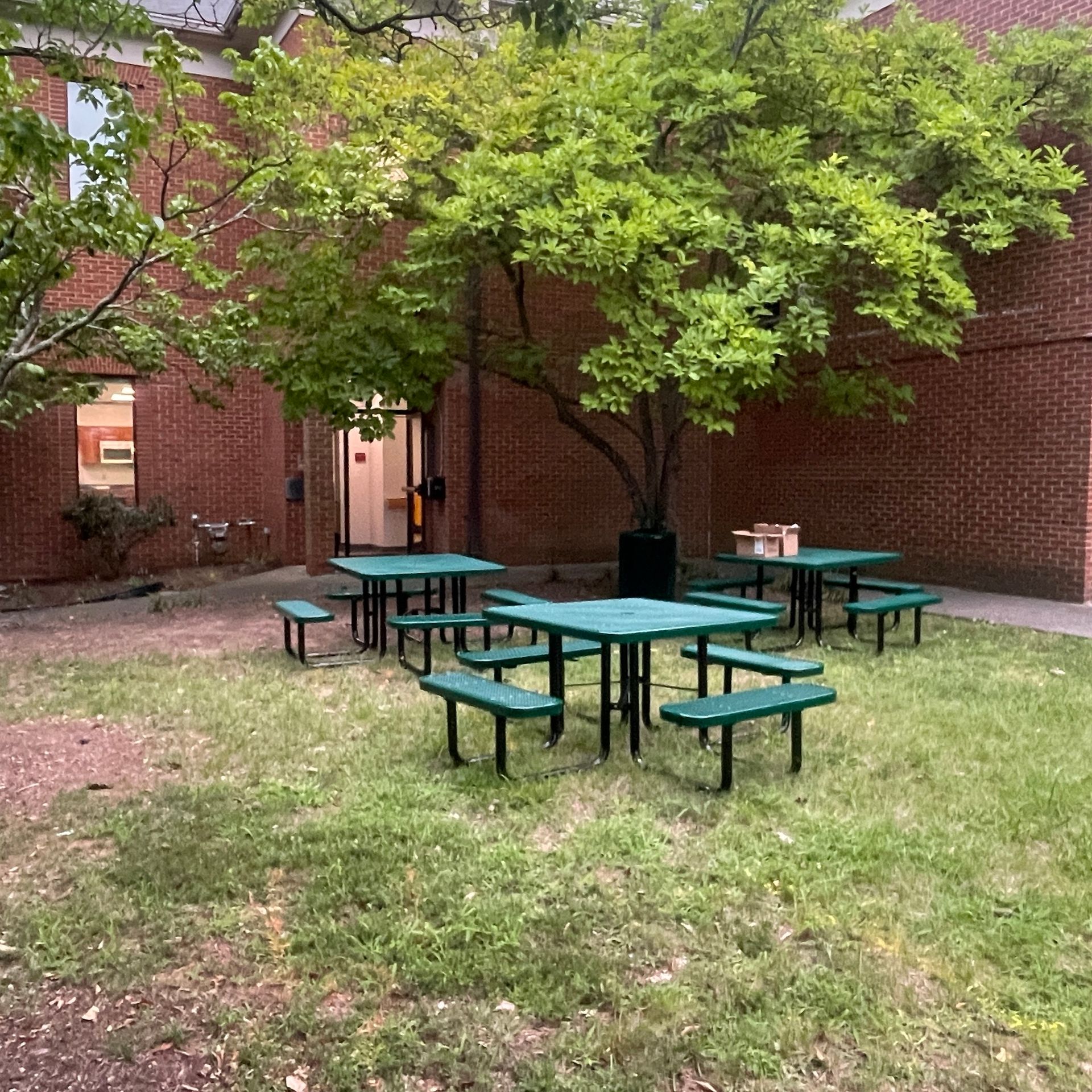
CASS will help Charlottesville launch a temporary emergency shelter while building the local capacity needed for a long-term solution.